10
2009
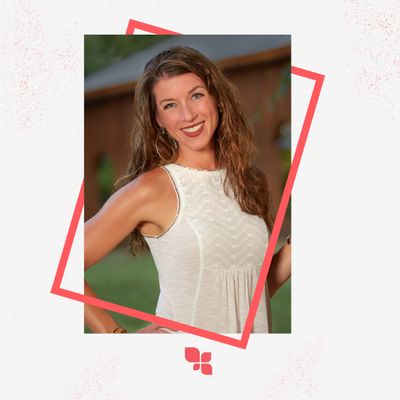
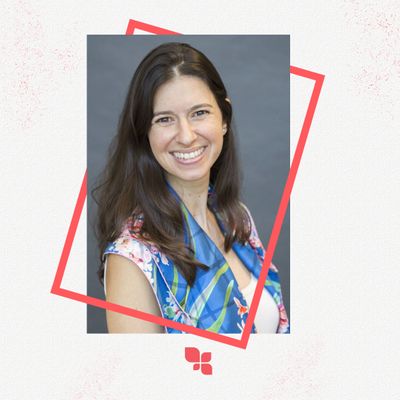
Elizabeth Ward, author of Expect The Best (Guest Blogger)
I am thrilled that Lisa asked me to write a guest blog! As a mom and a registered dietitian, I love talking about what women can do to have the healthiest children possible.
I get a lot of questions about dietary supplements, so I thought it might be helpful to talk about what you need, and may not need, in the way of extra vitamins and minerals.
When I was having my three daughters, I received a prescription for prenatal supplements as soon as the pregnancy tests were positive. And, while they were a source of some minor discomfort, I took those huge pills every day without hesitation. I knew they had plenty of benefits, for me, and for my baby.
But when I started researching my latest book, Expect the Best, Your Guide to Healthy Eating Before, During, & After Pregnancy, I found that, despite the seemingly automatic prescription of prenatal supplements by obstetricians, there is no agreement from any government health agency that the majority of pregnant women actually need them.
That was news to me!
Don’t get me wrong – I am a big fan of multivitamins because they fill in small nutrient gaps in your diet. Iron, and the B vitamin folic acid, which helps to prevent birth defects, often when a woman does not realize she’s pregnant, are two nutrients supplied by multivitamins that can head off a whole lot of problems during pregnancy. (Women who have had a pregnancy affected by a neural tube defect should speak with their doctor before conception for prescription level doses of folic acid to prevent a recurrence.)
Because of the emphasis on prescription (and over-the-counter) prenatal supplements, it may come as a surprise to find out that you will probably get all the nutrients you need before, during, and after pregnancy by taking a multivitamin that provides about 100% of the Daily Value for a wide variety of vitamins and minerals (including folic acid and iron) combined with a balanced diet with adequate calories for your activity level.
Even so, some women, benefit from a prescription prenatal pill, because they require additional nutrients they may not get through food. They include women:
• carrying more than one baby
• whose diet was poor at the outset of pregnancy or for months before conception
• whose diet is poor at any point during pregnancy
Always tell your health care provider about all the dietary supplements, including herbs and herbal teas, that you’re consuming, especially when you’re pregnant, trying to get pregnant, or nursing. You don’t want to overdo it, or take too little, and you may be taking something that’s not been proven safe for pregnancy and breastfeeding.
If it makes you feel like your doing the best thing for you and your baby, go ahead and take a prescription prenatal pill, but know that for most women, it’s probably not necessary to take such a big pill.
If you’re not taking the prenatal pills that have been prescribed for you for any reason, be sure to let your provider know. You may be able to switch to a smaller pill, a regular multivitamin, or a chewable vitamin with iron. Large doses of supplemental iron may cause constipation, so follow a high-fiber diet and get plenty of fluid. If dietary supplements make you queasy, take them at night or after meals, or cut them in half and split up the dosage during the day.
Do you have a nutrition question? Visit www.expectthebestpregnancy.com and I will answer it.
|
Comments


Subscribe Me